Perennial tulips: the ones that come back every year
Were your tulips stunning the first spring and then only produced leaves? That's perfectly normal for many garden tulips. But some types return faithfully — especially when they're planted and cared for the right way.
4 min read · Updated 5 November 2026
Many garden tulips
Year 1
Year 2: small bulbs, leaves only
Darwin hybrids and species
Year 1
Year 2: flowers again
Why do many tulips flower only once?
A tulip bulb is a packed lunch. Everything needed for next year's flower is stored in the bulb in the weeks after flowering — while the leaves are still green.
Many modern garden tulips spend their energy making several small offsets instead of one big bulb. The following year none of them is big enough to flower, and you get leaves only. Gardeners say the tulip has “gone blind”.
It isn't a fault with the bulbs. Many of the most colourful varieties are simply bred to give the biggest show in their first spring.
The tulips that come back
Some types are far better than others at returning. Mostly because they are close to the wild tulips, which are used to looking after themselves.
| Type | Why they come back | Good to know |
|---|---|---|
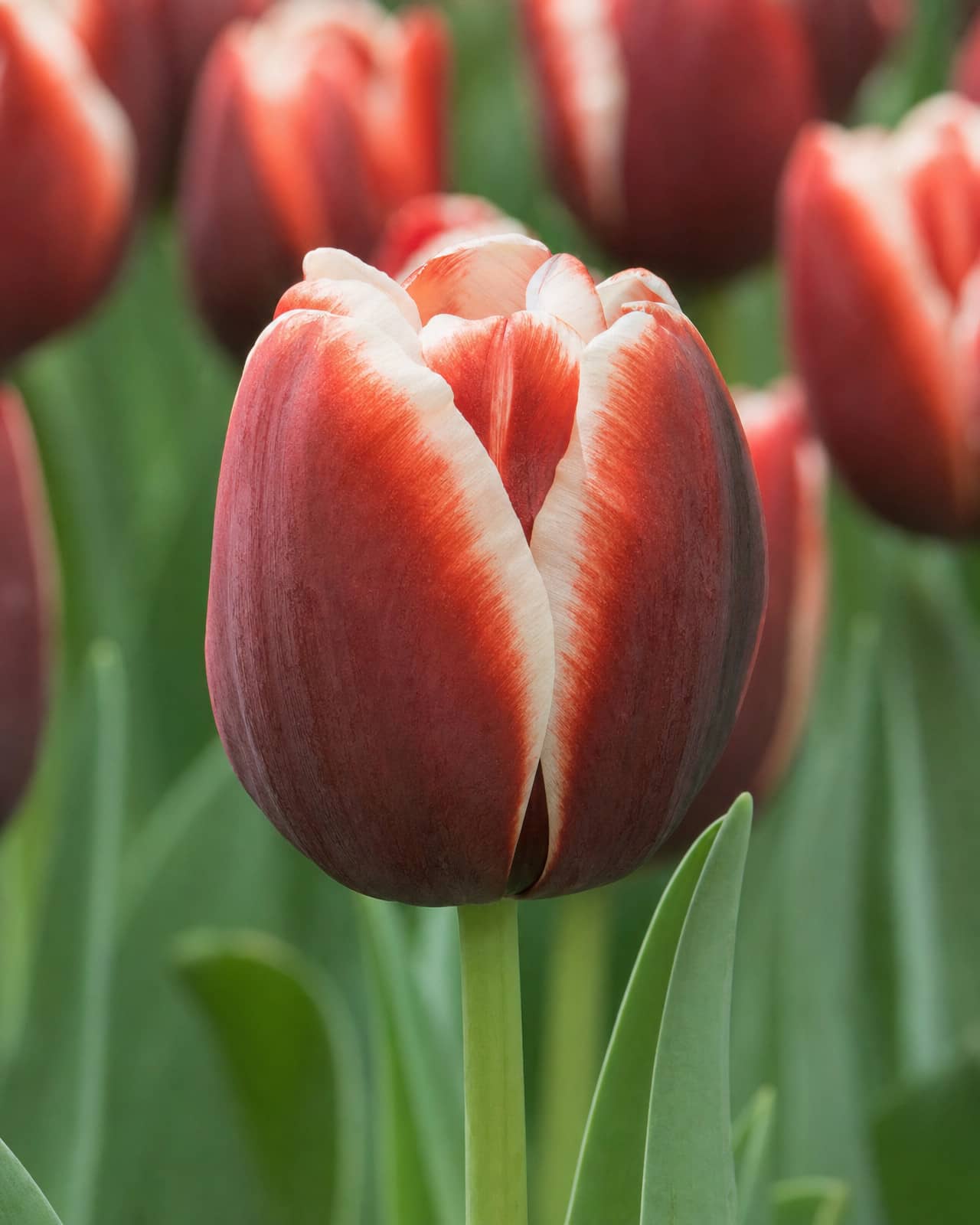
| Darwin hybrids | Large, vigorous bulbs that split less than most | Often 3–5 good years. Tall (50–65 cm) and weatherproof |
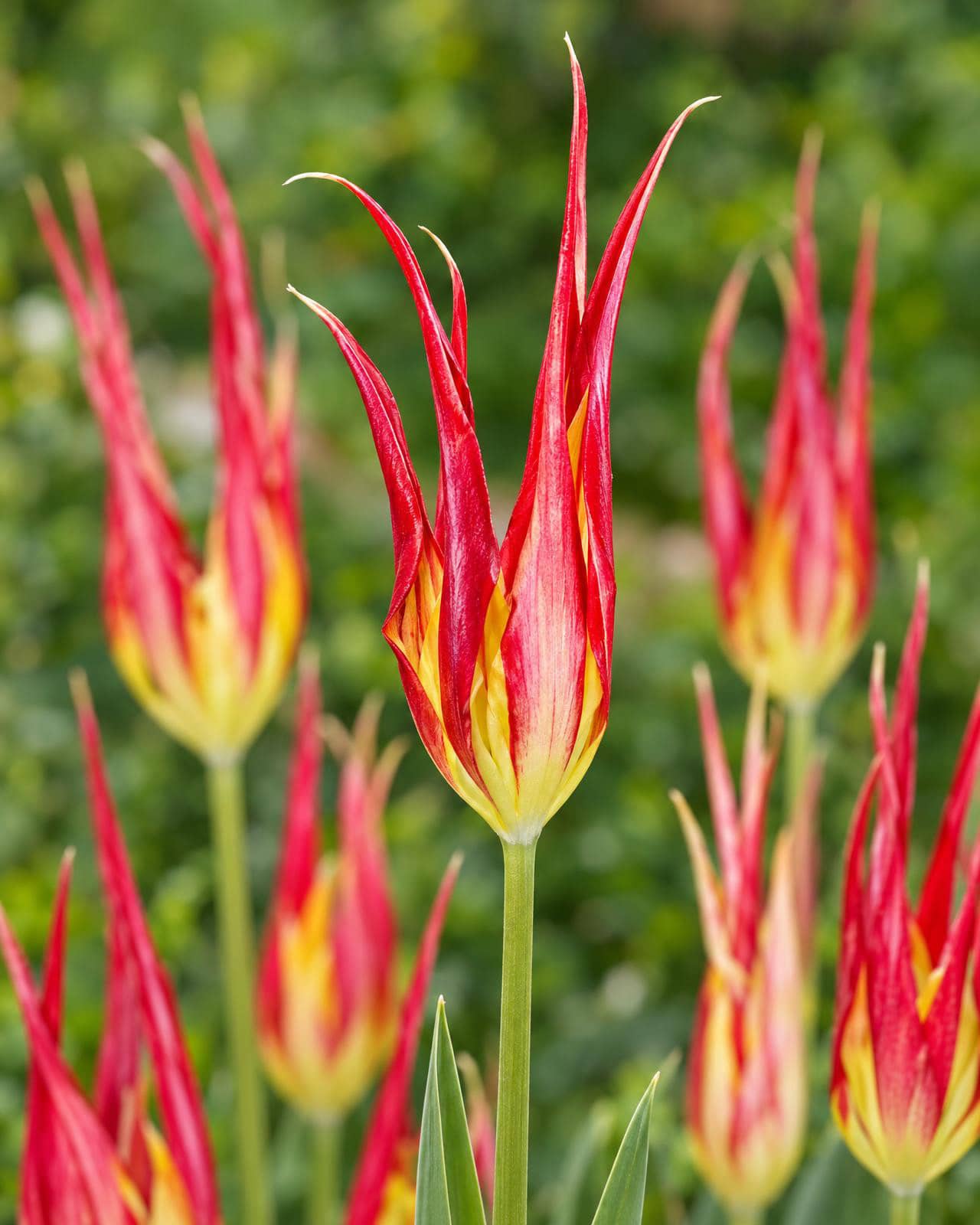
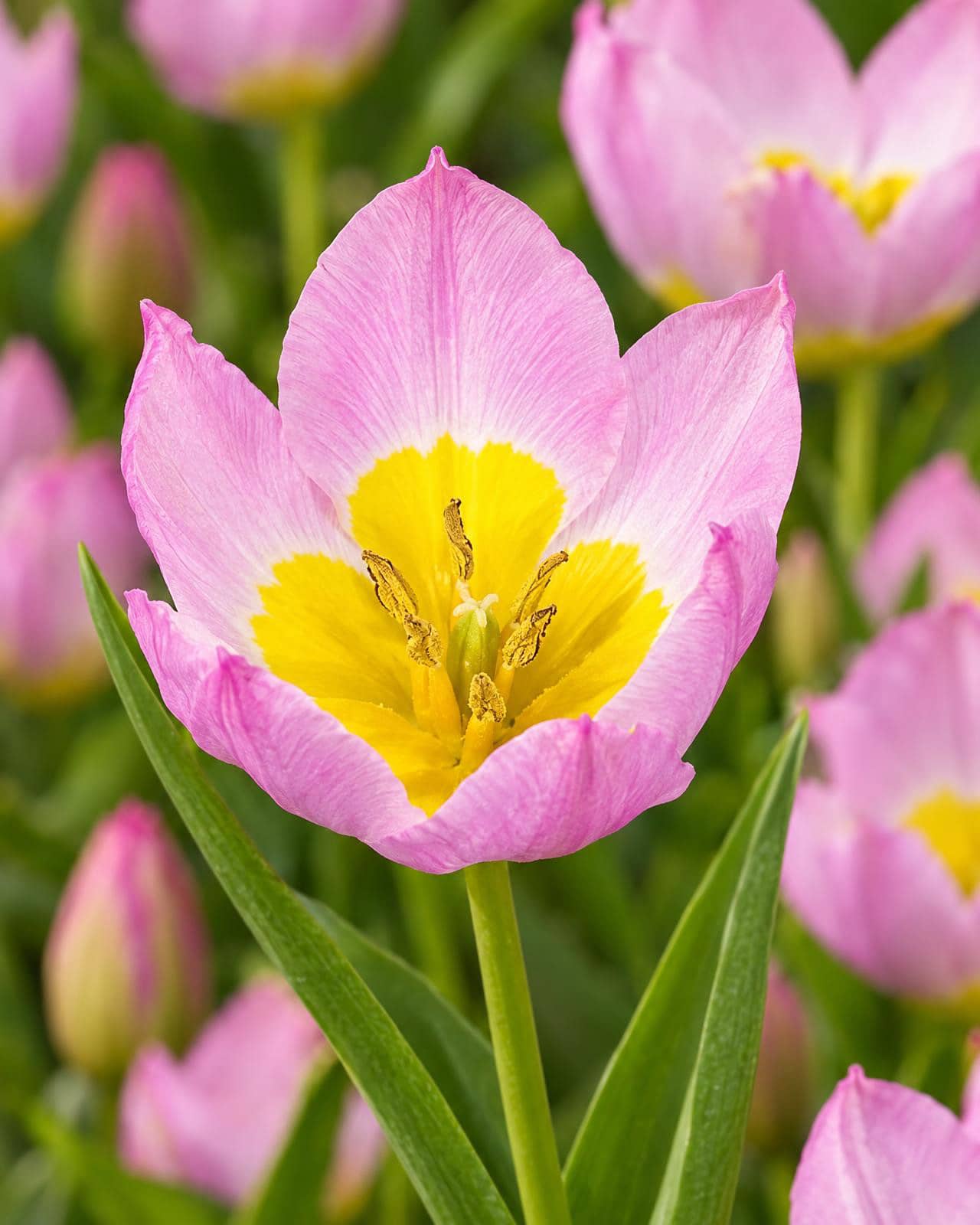
| Species tulips | Wild species and their close relatives | Often multiply year by year. Low (10–30 cm) |
| Kaufmanniana, Fosteriana and Greigii | Tough types with wild ancestors | Flower early — good in rock gardens and edges |
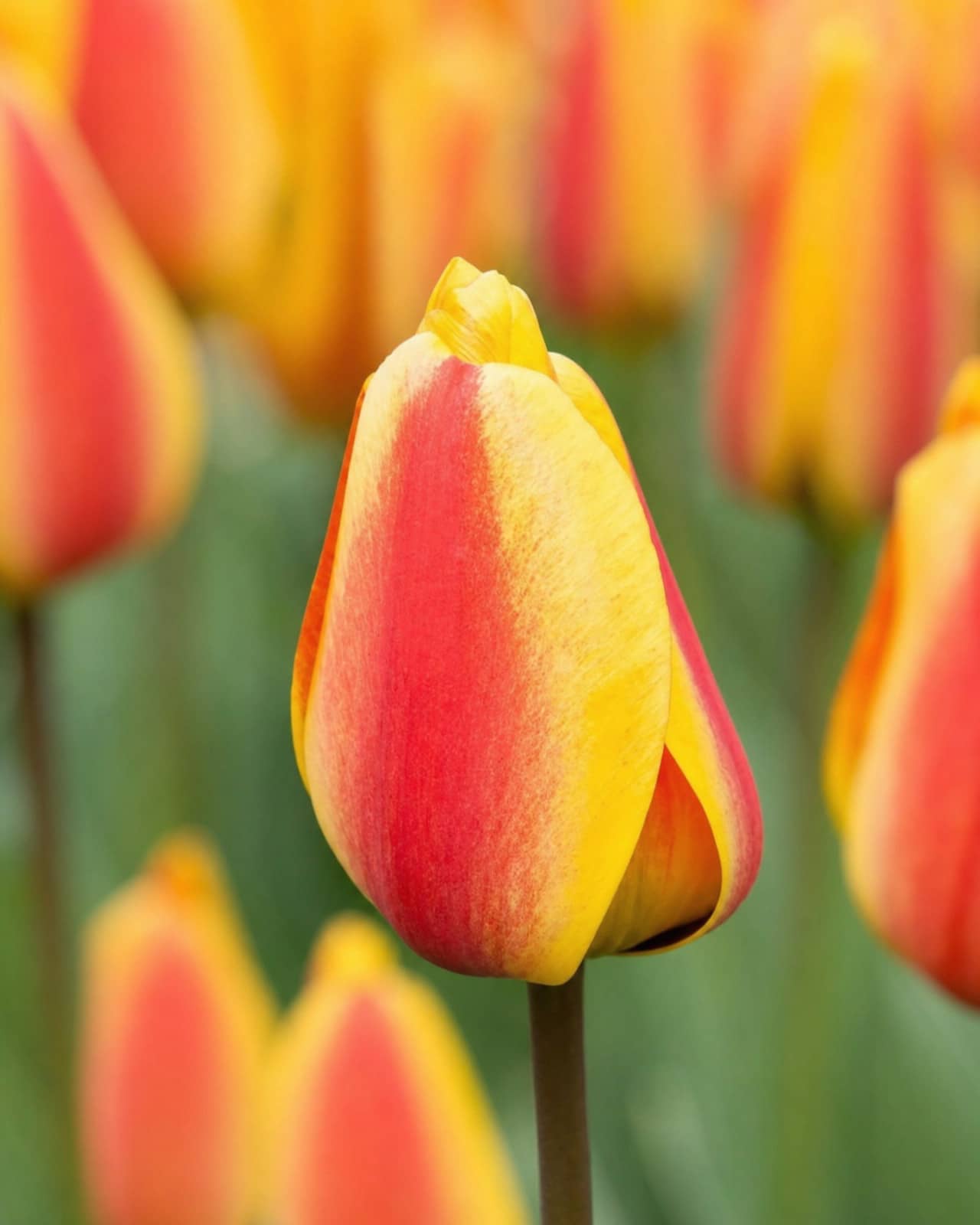
| Single late tulips | Many varieties last several years in good soil | E.g. ‘Queen of Night’. Plant them deep |
Less reliable as perennials are parrot tulips, double tulips and many fringed varieties. They're fantastic in their first year — so plant them as “this season's bouquet” and add new bulbs every autumn.

How to plant so they come back
- Choose a sunny spot. Tulips need at least 6 hours of sun a day in spring to recharge the bulb.
- Make sure it drains. Winter wet is the biggest threat. On heavy soil, mix grit or coarse sand into the bottom of the planting hole, or plant on a slight mound.
- Plant deep. 15–20 cm to the base of the bulb — a little deeper than the usual 12–15 cm. Deep bulbs split less and are better protected from frost and summer heat.
- Give them space. 10–15 cm between bulbs, so they don't compete for nutrients.
Aftercare is what matters most
Next year's flower is made in the weeks after flowering. The leaves work as solar panels, filling the bulb with nutrients.
Spring
Flowering
May–June
Leaves recharge the bulb
Summer
Dry, warm rest
Autumn
New roots in cold soil
- Remove the flower when the petals drop — so the plant doesn't spend energy on seed.
- Leave the stem and leaves until they are yellow and withered (usually June). Don't tie them up, and don't mow over them.
- Feed a little straight after flowering. A potassium-rich fertiliser, such as tomato feed, helps the bulb.
- Water in a dry spring, as long as the leaves are green.
The summer rest: keep the bulbs dry
Tulips originally come from the mountains of Central Asia, with hot, dry summers. Bulbs in a bed that's watered all summer rot more easily and split more.
- Plant tulips among perennials that cope without much water in summer.
- Avoid spots you water daily in summer, e.g. between summer bedding.
- In very wet soil you can lift the bulbs in June and replant them in October.
The most faithful: species tulips
Species tulips are the most dependable of all. The flowers are smaller, but the bulbs often multiply year by year and can in time form dense carpets in the border or lawn. More in our guide to naturalising bulbs.
Realistic expectations
Even the best perennial tulips usually flower best in their first 3–5 years. That's why many gardeners plant a handful of new bulbs every autumn — so the display is always full, even when the oldest bulbs take a year off.
Bulbs from this guide
See all →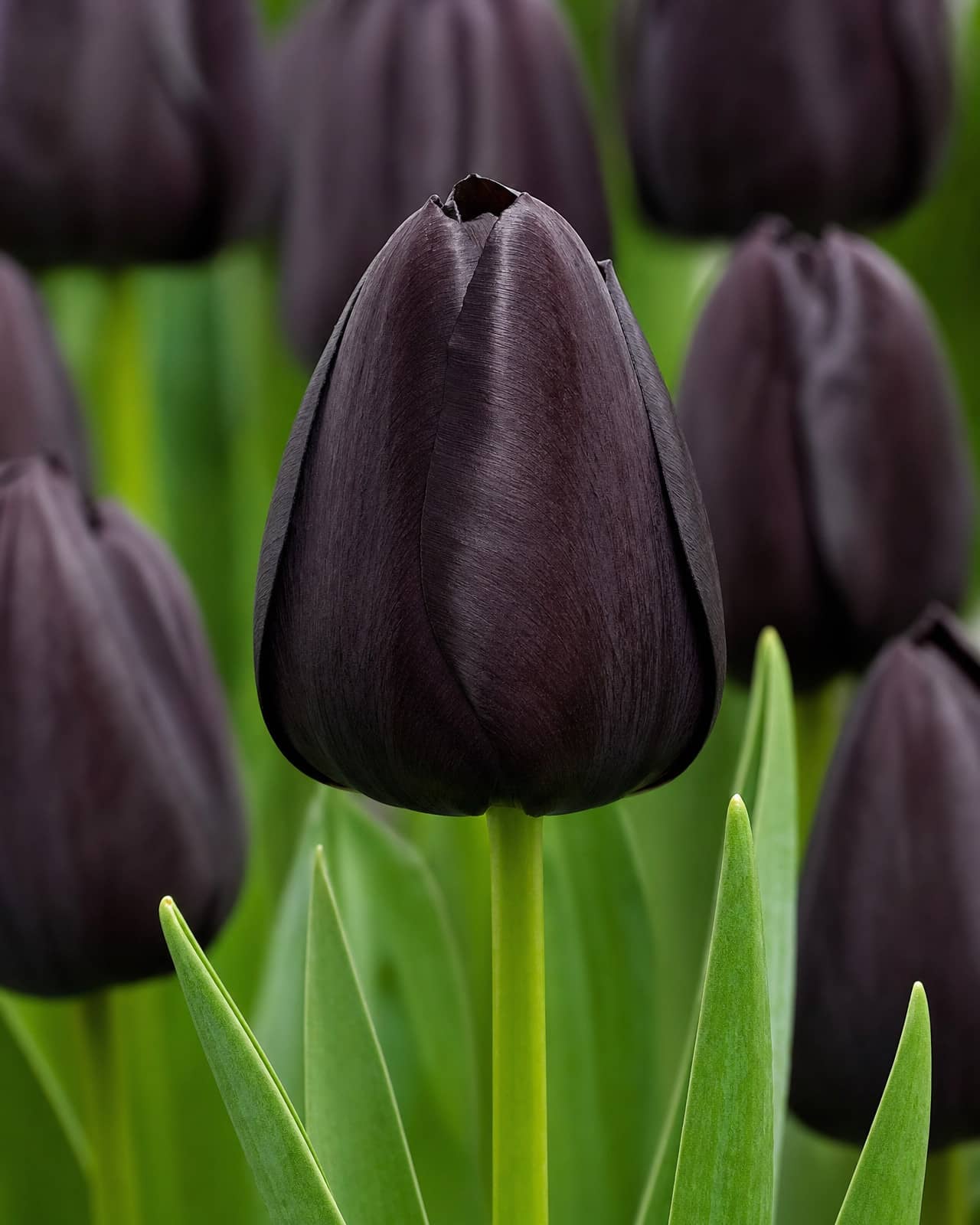
Read next
- Tulip types explained: find the right tulipSingle, double, fringed, lily-flowered or species? An overview of the tulip types — flowering time, height and what each one does best.
- Can you plant tulip bulbs in December and January?Yes — as long as the ground isn't frozen. How to plant tulip bulbs late, what to check on the bulbs, and what to do if the ground is frozen.
- What to do with tulips after floweringRemove the flower, let the leaves die back, and choose: leave the bulbs in or lift them. The simple guide to tulips after flowering — in borders and pots.